
"coffee drying technique"
2000 article(s) found

Cultivation techniques of small-grain coffee: multi-dry shaping and cultivation
Cultivation techniques of small-grain coffee: multi-dry shaping and cultivation
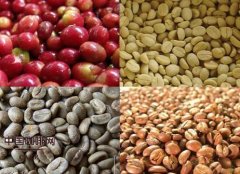
Techniques for processing Coffee fruits
Within 8 hours after picking, the coffee fruit should be peeled, otherwise negative fermentation will occur, thus affecting the quality of coffee beans. There are three main methods of processing coffee: drying method, semi-dry treatment method and non-dry treatment method. The last method of treatment is adopted in Yunnan. The purpose of the treatment is to peel the coffee beans and reduce the water content of the coffee beans to an appropriate level.

Introduction to cultivation techniques of Coffee Fruit
Cultivation techniques require that the origin of coffee trees [4] is in Ethiopia in Africa. In botany, coffee trees belong to the evergreen trees of the subgenus Rubiaceae, and coffee beans, commonly known as coffee beans, are actually the seeds of the fruit of coffee trees. They are called coffee beans only because they are shaped like beans. Climate is the decisive factor for coffee cultivation, and coffee trees are only suitable for growing in the tropics or subheat.
Cultivation techniques of small Coffee in Yunnan Province: harvesting and processing
Yunnan Province, small-grain coffee cultivation, coffee cultivation techniques, coffee harvesting, coffee processing

The technique of drinking coffee cappuccino coffee can be dry or wet
The so-called dry cappuccino refers to the conditioning method with more milk bubbles and less milk. it tastes stronger than milk and is suitable for people with heavy taste. As for wet cappuccino, it refers to the practice of fewer milk bubbles and more milk. The smell of milk is more than the smell of coffee, which is suitable for those with light taste. The flavor of the wet cappuccino is similar to that of the popular latte. Generally speaking, cappuccino tastes better than na

Cultivation techniques of small Coffee in Yunnan Province: harvesting and processing
Timely harvest is an important link to ensure high yield and improve product quality of coffee. The harvest time of small seed coffee is more concentrated, when the fruit turns red, it can be harvested. It should be picked along with ripening. After completely turning red, the fruit is easy to fall off. (9) Wet processing is generally adopted in processing. (1) washing fruit. Wash away the soil or sundries that stick to the fruit. (2) grading of fresh fruit. Turn the green fruit and dried fruit

The requirements of geographical environment for the cultivation techniques of coffee trees
The cultivation technology editor requires that the origin of coffee tree [4] is in Ethiopia in Africa. In botany, coffee trees belong to the evergreen trees of the subgenus Rubiaceae, and coffee beans, commonly known as coffee beans, are actually the seeds of the fruit of coffee trees. They are called coffee beans only because they are shaped like beans. Climate is the decisive factor for coffee cultivation. Coffee trees are only suitable for growing in the tropics or

Cultivation techniques of small Coffee in Yunnan Province harvesting and processing of coffee beans
Timely harvest is an important link to ensure high coffee yield and improve product quality. The harvest time of small seed coffee is more concentrated, when the fruit turns red, it can be harvested. It should be picked along with ripening. After completely turning red, the fruit is easy to fall off. (9) Wet processing is generally adopted in processing. (1) washing fruit. Wash away the soil or sundries that stick to the fruit. (2) grading of fresh fruit. Green fruit, dried fruit,
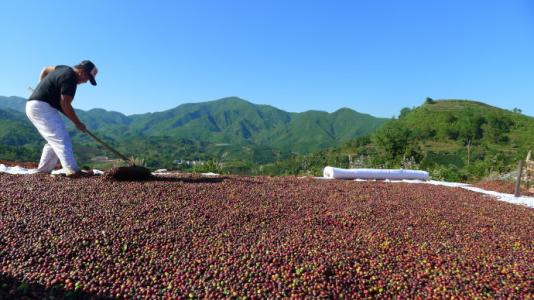
A brief description of how to brew the taste and flavor of Yunnan small-grain coffee planting technology
Description of how to brew the taste and flavor of Yunnan small-grain coffee planting techniques A brief introduction to the description of how to brew the taste and flavor of Yunnan small-grain coffee planting techniques how to brew the taste and flavor description of Yunnan small-grain coffee planting techniques how to brew taste and flavor description of Yunnan small-grain coffee planting techniques how to brew taste and flavor description of Yunnan small-grain coffee planting techniques how to brew taste and flavor description of Yunnan small-grain coffee planting techniques how to brew taste and flavor description of Yunnan small-grain coffee planting techniques how to brew taste and flavor description of Yunnan small-grain coffee planting techniques how to brew taste and flavor description of Yunnan small-grain coffee planting techniques how to brew taste and flavor description of Yunnan small-grain coffee planting techniques how to brew taste and flavor description of Yunnan small-grain coffee planting techniques how to brew taste and flavor description of Yunnan small-grain coffee According to different varieties of branches, growth habits, fruiting habits, different environments and different management
The technique of planting small Coffee-- Multi-dry shaping and Culture
Multi-dry shaping is a method of shaping using the first-order branch as the main fruiting branch. The purpose of plastic surgery is to cultivate multiple trunks and grow a large number of robust primary branches, and the multi-trunk trees will not be topped. As a result, when the yield decreases after 3-5 years, the new trunk will be replaced.

Cultivation techniques of small-grain coffee: irrigation and fertilization
Irrigation of coffee planting areas in Yunnan Province can be divided into rainy season and dry season. Irrigation in the dry season, especially in the flowering period, can ensure the normal growth and flowering of coffee plants, improve the fertility rate, and achieve high yield. Fertilization is one of the key measures to obtain high yield of cultivated coffee. According to the data, for every kilogram of dried beans harvested, coffee trees have to come from the soil.

Cultivation techniques of small Coffee Irrigation and fertilization of Coffee trees
Irrigation of coffee planting areas in Yunnan Province can be divided into rainy season and dry season. Irrigation in the dry season, especially in the flowering period, can ensure the normal growth and flowering of coffee plants, improve the fertility rate, and achieve high yield. Fertilization is one of the key measures to obtain high yield of cultivated coffee. According to the data, for every kilogram of dried beans harvested, coffee trees have to come from the soil.

Geographical Distribution cultivation techniques of Coffee trees
Coffee grows mostly in countries with alpine terrain between the Tropic of Cancer and the Tropic of Cancer. It is native to tropical Africa and is introduced and cultivated in South and Southwest China. [2] the cultivation technology editor requires that the origin of the coffee tree [4] is in Ethiopia in Africa. In botany, the coffee tree belongs to the evergreen tree of the coffee subgenus of Rubiaceae, and the so-called coffee bean is actually the fruit of the coffee tree.

Geographical Distribution cultivation techniques of Coffee trees
Coffee grows mostly in countries with alpine terrain between the Tropic of Cancer and the Tropic of Cancer. It is native to tropical Africa and is introduced and cultivated in South and Southwest China. [2] the cultivation technology editor requires that the origin of the coffee tree [4] is in Ethiopia in Africa. In botany, the coffee tree belongs to the evergreen tree of the coffee subgenus of Rubiaceae, and the so-called coffee bean is actually the fruit of the coffee tree.
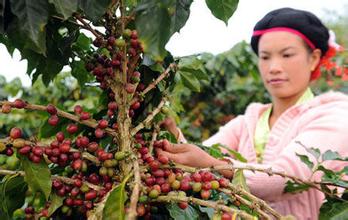
Detailed analysis and introduction of the operation techniques of coffee beans from picking to raw bean treatment.
Coffee bean processing: coffee berries must be processed immediately after picking to prevent pulp fermentation and decay. Coffee beans can be processed in two ways, wet and dry. The drying method is also called the natural method. Spread the coffee berries flat in the sun to dry. In the plantation, 50 square meters of coffee berries are spread on each hectare, or the fruit is placed in a special
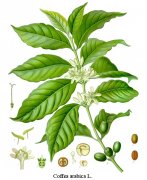
Coffee cultivation technique A tropical cash crop that is easy to cultivate
Coffee, cocoa and tea are called the three major beverages in the world, and their output, consumption and output value all rank first. In addition to being used as a beverage, coffee can also extract caffeine and coffee oil; in medicine, it can be used as an anesthetic, stimulant and diuretic cardiotonic agent. Coffee pulp can be used to make wine, vinegar, pectin and molasses; dried pulp can be used as animal feed; dried fruit shell can be used as fertilizer and burning
Cultivation techniques of small-grain coffee: irrigation and fertilization
Fertilization is one of the key measures for high yield of cultivated coffee. According to the data, for every 1 kg of dried beans harvested, coffee trees absorb 70 grams of nitrogen, 14 grams of phosphorus and 76 grams of potassium from the soil.

Cultivation techniques of coffee trees how would you like your latte coffee milk foam to be beaten?
The cultivation technology editor requires that the origin of coffee tree [4] is in Ethiopia in Africa. In botany, coffee trees belong to the evergreen trees of the subgenus Rubiaceae, and coffee beans, commonly known as coffee beans, are actually the seeds of the fruit of coffee trees. They are called coffee beans only because they are shaped like beans. Climate is the decisive factor for coffee cultivation. Coffee trees are only suitable for growing in the tropics or
Planting techniques of small Coffee trees in Yunnan: irrigation and fertilization
Fertilization is one of the key measures for high yield of cultivated coffee. According to the data, for every 1 kg of dried beans harvested, coffee trees absorb 70 grams of nitrogen, 14 grams of phosphorus and 76 grams of potassium from the soil.

Cultivation techniques of small-grain coffee: multi-dry shaping and cultivation
Multi-dry shaping is a method that uses the first-order branch as the main fruiting branch. The purpose of plastic surgery is to cultivate multiple trunks and grow a large number of robust primary branches, and the multi-trunk trees will not be topped. As a result, when the yield decreases after 3-5 years, the new trunk will be replaced. ① culture multi-stem method oblique planting method: when planting, the seedlings are oblique, generally at an angle of 30-60 degrees with the ground. Oblique planting can be suppressed